In a world full of fast-paced routines, endless notifications, and constant pressure, taking care of your health can feel like just another task on a never-ending list. But what if it didn’t have to be complicated? What if improving your well-being could be as simple as making small, meaningful choices every day?
This article brings together practical, easy-to-follow insights inspired by everyday health conversations—covering physical, mental, and emotional wellness. Think of it as your friendly roadmap to living better, not perfectly.
Understanding What “Health” Really Means
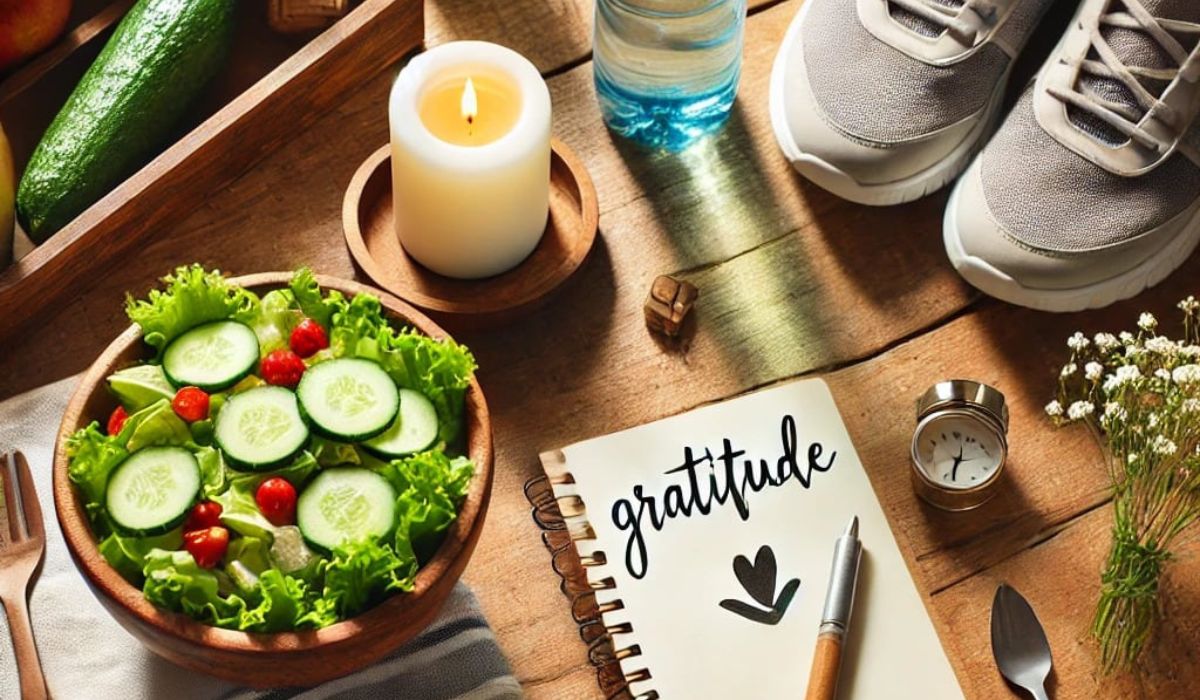
Health is often mistaken for just being free from illness. But in reality, it’s much more than that. It’s about feeling good in your body, having a clear mind, and maintaining balance in your daily life.
True wellness includes:
- Physical strength and energy
- Mental clarity and emotional stability
- Social connection and purpose
Imagine your health as a three-legged stool. If one leg is weak, the whole thing wobbles. That’s why focusing on all aspects matters.
The Power of Daily Habits
Small habits shape big outcomes. You don’t need drastic changes to improve your health—just consistency.
Simple habits that make a difference:
- Drinking enough water
- Moving your body regularly
- Getting enough sleep
- Taking breaks from screens
Think of habits like brushing your teeth. You don’t expect instant results, but over time, they protect and strengthen your well-being.
Nutrition Made Simple
Eating healthy doesn’t mean strict diets or giving up your favorite foods. It’s about balance and awareness.
Key principles to follow:
- Choose whole foods over processed ones
- Add more fruits and vegetables
- Stay mindful of portion sizes
- Listen to your body’s hunger cues
Instead of asking, “What should I avoid?” try asking, “What can I add to nourish myself better?”
Staying Active Without Overthinking It
You don’t need a gym membership or fancy equipment to stay active. Movement can be simple and enjoyable.
Easy ways to stay active:
- Walking instead of driving short distances
- Stretching in the morning
- Taking the stairs
- Dancing to your favorite music
The goal isn’t perfection—it’s consistency. Even 20 minutes a day can improve your energy and mood.
The Often-Ignored Importance of Sleep
Sleep is not a luxury—it’s a necessity. Yet many people treat it as optional.
Why sleep matters:
- Restores your body and brain
- Improves memory and focus
- Supports emotional balance
Tips for better sleep:
- Stick to a regular schedule
- Avoid screens before bed
- Create a calm sleeping environment
Think of sleep as charging your phone. Without it, everything slows down.
Mental Health: Taking Care of Your Mind
Your mental health deserves as much attention as your physical health.
Ways to support your mental well-being:
- Talk about your feelings
- Practice mindfulness or meditation
- Take breaks when overwhelmed
- Limit exposure to negativity
It’s okay not to feel okay sometimes. What matters is how you respond and care for yourself during those moments.
Managing Stress in Everyday Life
Stress is a natural part of life, but too much of it can affect your health.
Healthy ways to manage stress:
- Deep breathing exercises
- Spending time in nature
- Engaging in hobbies
- Connecting with loved ones
Ask yourself: What helps me feel calm? Then make time for it regularly.
The Role of Hydration
Water is often overlooked, yet it’s essential for almost every function in your body.
Benefits of staying hydrated:
- Boosts energy levels
- Improves digestion
- Supports skin health
A simple tip? Keep a water bottle with you. Sometimes, your body confuses thirst with hunger.
Building Strong Relationships
Humans are social beings. Healthy relationships play a major role in overall well-being.
Ways to strengthen connections:
- Spend quality time with loved ones
- Communicate openly
- Show appreciation
- Set healthy boundaries
Good relationships act like emotional support systems—they help you stay grounded.
Preventive Care: Staying Ahead of Health Issues
Prevention is always better than cure.
Important steps to take:
- Regular health check-ups
- Staying informed about your body
- Addressing small issues early
Think of it like maintaining a car. Regular check-ups prevent bigger problems down the road.
Digital Balance in a Connected World
Technology is helpful, but too much screen time can affect your health.
How to maintain balance:
- Set limits on screen usage
- Take regular breaks
- Avoid devices before bedtime
Ask yourself: Am I using technology, or is it using me?
Finding Joy in the Little Things
Happiness doesn’t always come from big achievements. Often, it’s found in simple moments.
Ways to cultivate joy:
- Practice gratitude
- Enjoy hobbies
- Spend time outdoors
- Celebrate small wins
Life is like a collection of moments. The more you notice the good ones, the richer it feels.
Conclusion
Taking care of your health doesn’t require perfection or extreme changes. It’s about making small, consistent choices that support your body and mind. When you focus on balance—between activity and rest, work and relaxation, connection and solitude—you create a lifestyle that feels sustainable and fulfilling.
Remember, your well-being is a journey, not a destination. Start where you are, use what you have, and take one step at a time.
FAQs
1. How can I start improving my health without feeling overwhelmed?
Start small. Focus on one habit at a time, like drinking more water or walking daily. Gradual changes are easier to maintain.
2. How much sleep do I really need?
Most adults need around 7–9 hours of sleep per night, but it can vary depending on individual needs.
3. What is the easiest way to manage stress?
Simple techniques like deep breathing, taking short breaks, and talking to someone you trust can help reduce stress quickly.
4. Do I need to follow a strict diet to stay healthy?
No. A balanced approach with a variety of whole foods is more sustainable than strict dieting.
5. How can I stay active if I have a busy schedule?
Incorporate movement into your daily routine—take the stairs, walk during breaks, or do short home workouts. Every bit counts.