The Winter Olympics are one of those rare global events where the world seems to pause—if only for a moment—and watch athletes glide, jump, race, and soar across icy landscapes. For many viewers, following the United States team can feel both exciting and overwhelming. With so many events happening at once, how do you keep track of who’s competing, when they’re competing, and how they’re performing?
In this guide, we’ll walk through everything you need to know—from how the Olympic schedule works to how Team USA typically performs across different sports. Think of it like a roadmap through a snowy mountain range: once you know the trails, the journey becomes a lot more enjoyable.

Understanding the Winter Olympics Structure
Before diving into schedules and results, it helps to understand how the Winter Olympics are organized.
The Games are usually held every four years and span about two weeks. During that time, athletes compete in a wide variety of winter sports—from skiing and snowboarding to skating and hockey.
Each day is packed with multiple events happening simultaneously. Some are qualification rounds, while others determine medal winners. This structure means fans need to pay attention to both timing and event stages.
How the Olympic Schedule Works
Daily Event Breakdown
The schedule is divided into sessions—morning, afternoon, and evening—based on the host country’s time zone. For viewers in the United States, this often means watching events either early in the morning or late at night.
Each sport has its own timeline. For example:
- Skiing events may run over several days
- Ice hockey spans the entire Olympics
- Figure skating includes short programs and finals on different days
Time Zone Challenges
Watching from the U.S. can feel like trying to catch a live concert happening across the world. Events may air live at odd hours, while prime-time broadcasts often show highlights instead.
Key Sports Where the U.S. Competes Strongly
Snowboarding and Freestyle Skiing
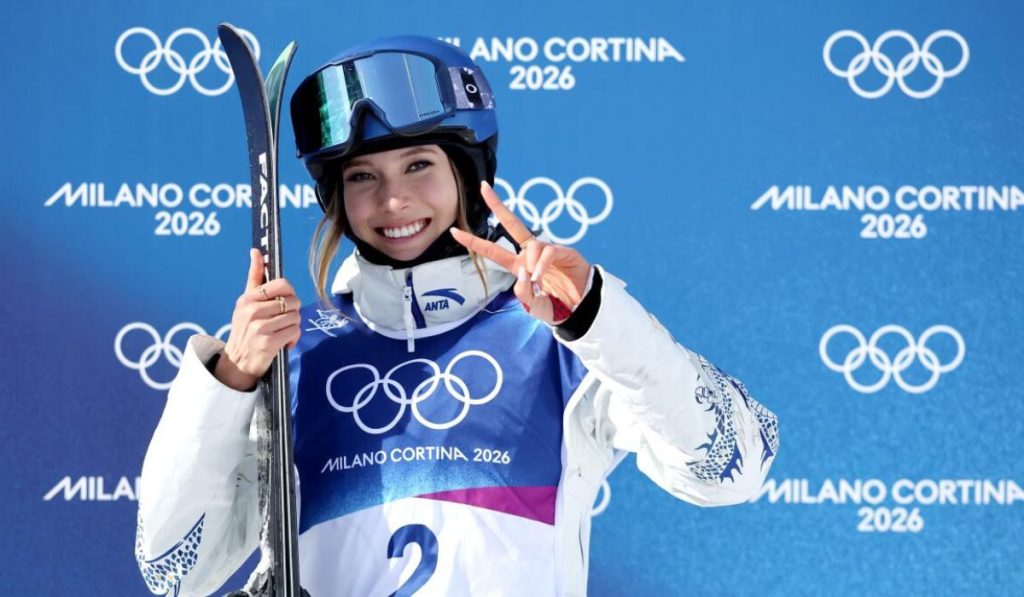
The U.S. has built a reputation for excellence in these high-energy sports. Athletes often dominate in:
- Halfpipe
- Slopestyle
- Big air
These events are fan favorites due to their creativity and risk-taking.
Figure Skating
Figure skating combines athletic skill with artistry. The U.S. has a long history in:
- Women’s singles
- Ice dancing
- Team events
Speed Skating
Both short track and long track events are areas where American athletes frequently shine.
Ice Hockey
Men’s and women’s teams are always strong contenders, with the women’s team especially being a consistent medal threat.
Opening Ceremony: Setting the Stage
The Olympics begin with a grand opening ceremony. While it doesn’t include competition results, it sets the tone for everything that follows.
Team USA enters as part of the parade of nations, often wearing symbolic outfits that reflect American culture. It’s a moment of pride and anticipation.
Tracking U.S. Events Day by Day
Early Days: Qualification Rounds
The first few days are often about setting the stage. Athletes compete to qualify for finals. You might not see medals awarded yet, but these rounds are critical.
Mid-Games: Medal Rush
This is where things get exciting. Many finals occur during the middle of the Olympics, and Team USA often racks up medals in clusters.
Final Days: High-Stakes Events
The closing days feature major finals, including:
- Ice hockey championships
- Figure skating finales
- Bobsled races
These events often determine final medal standings.
How Results Are Recorded
Medal Categories
Results are categorized into:
- Gold (1st place)
- Silver (2nd place)
- Bronze (3rd place)
Each medal contributes to the country’s overall tally.
Timing and Scoring Systems
Different sports use different systems:
- Skiing relies on time
- Figure skating uses judges’ scores
- Hockey is based on goals
Understanding these systems helps you appreciate the results more deeply.
Notable U.S. Performances Over the Years
The United States has consistently been among the top-performing nations at the Winter Olympics.
Memorable highlights include:
- Record-breaking snowboarding runs
- Dramatic ice hockey victories
- Historic figure skating routines
These moments aren’t just wins—they become part of Olympic history.
The Role of Team USA Athletes
Preparation and Training
Athletes train for years, often dedicating their entire lives to reaching the Olympics. Their schedules include:
- Daily practice
- International competitions
- Physical conditioning
Mental Strength
Competing on the world stage requires more than physical ability. Athletes must stay focused under immense pressure.
How Fans Can Follow the Schedule
Official Platforms
Viewers can track events through:
- Olympic websites
- Sports broadcasting networks
- Mobile apps
These platforms provide real-time updates and results.
Creating a Personal Watchlist
One helpful trick is to pick your favorite sports and follow those closely. It’s like choosing your favorite chapters in a book—you’ll enjoy the story more.
Medal Table: Measuring Success
The medal table ranks countries based on their total medals.
For the U.S., success isn’t just about quantity but also about:
- Consistency across sports
- Breakthrough performances
- Team achievements
Challenges Faced by U.S. Athletes
Weather Conditions
Snow and ice conditions can change quickly, affecting performance.
Global Competition
Athletes face strong competitors from countries with deep winter sports traditions.
Injuries and Pressure
The physical and emotional demands can be intense, making every result even more meaningful.
Closing Ceremony: Wrapping It All Up
The Olympics conclude with a closing ceremony that celebrates athletes and their achievements.
For Team USA, it’s a moment to reflect on:
- Medals won
- Records set
- Stories created
Conclusion
Following the United States at the Winter Olympics is like watching a thrilling series unfold in real time. There are highs, lows, surprises, and unforgettable moments. By understanding the schedule and how results are determined, you can fully immerse yourself in the experience.
Whether you’re cheering for a snowboarder landing a perfect trick or a hockey team scoring a last-minute goal, the excitement is universal. And at the heart of it all is the spirit of competition—bringing people together, one event at a time.
FAQs
1. How can I watch U.S. events live during the Winter Olympics?
You can watch live broadcasts through official sports networks and streaming platforms that have Olympic rights.
2. Why are some events shown at different times in the U.S.?
This is due to time zone differences between the host country and the United States.
3. Which sports does the U.S. perform best in?
The U.S. often excels in snowboarding, freestyle skiing, figure skating, and ice hockey.
4. How is the medal count determined?
Medals are awarded based on performance in each event, and totals are calculated across all sports.
5. What is the best way to keep track of schedules and results?
Using official Olympic apps or websites is the easiest way to get real-time updates and personalized schedules.