
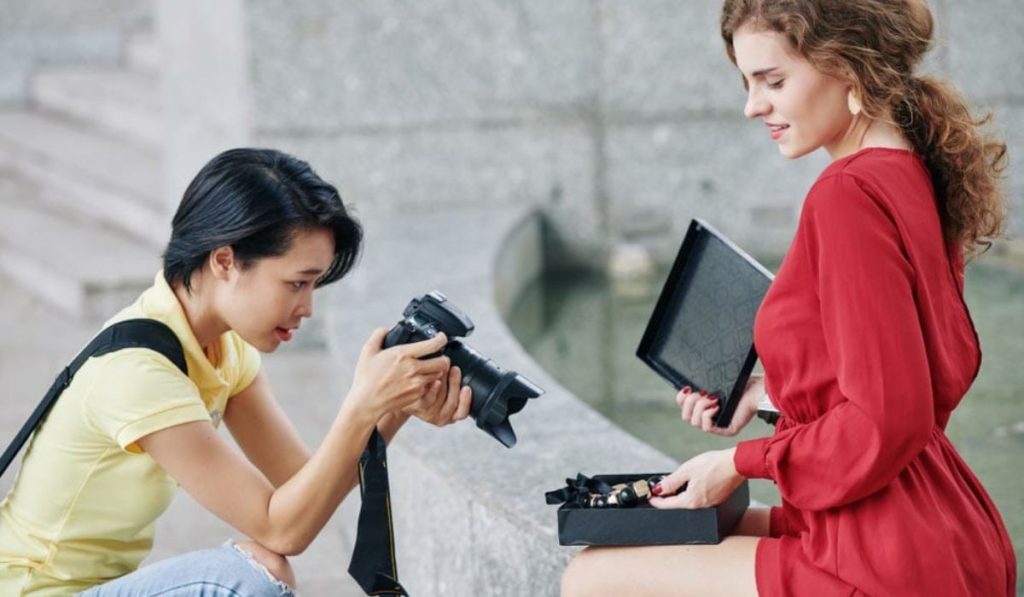
Have you ever wondered who creates those stunning images you see in advertisements, billboards, websites, and magazines? The kind that makes you stop scrolling, look twice, and maybe even feel something? That’s the work of a commercial photographer. But what exactly does that mean—and why does it matter to you?
Whether you’re curious about the profession, considering it as a career, or simply want to understand the magic behind visual marketing, this guide will walk you through everything in a clear, engaging way.
What Is a Commercial Photographer?
A commercial photographer is someone who takes photos for business purposes. These images are used to promote, sell, or represent products, services, or brands.
Think about it like this: if photography were a language, commercial photographers are storytellers hired by businesses to communicate visually. Their job isn’t just to take pictures—it’s to create images that influence decisions.
From product shots and food photography to corporate portraits and fashion campaigns, their work is everywhere.

Why Commercial Photography Matters in Everyday Life
You might not notice it, but commercial photography plays a huge role in your daily decisions.
Ever chosen a restaurant because the food looked amazing online? Or bought something because the product photo looked sleek and high-quality?
That’s not an accident.
Strong visuals build trust, spark interest, and drive action. Businesses rely on professional images to stand out in a crowded world. Without them, even the best products can go unnoticed.
Types of Commercial Photography
Commercial photography isn’t just one thing—it’s a collection of specialized fields.
Product Photography
This focuses on showcasing items in the best possible way. Clean backgrounds, perfect lighting, and sharp details are key.
Food Photography
Ever seen a burger that looks too good to eat? That’s food photography. It’s all about making dishes look irresistible.
Fashion Photography
Used by clothing brands, magazines, and designers, this style combines creativity with storytelling.
Corporate Photography
Think business headshots, office environments, and team photos. These images build professional identity.
Advertising Photography
This is where creativity shines. These images are designed to grab attention and deliver a message instantly.
Skills Every Commercial Photographer Needs
Being successful in this field takes more than just owning a camera.
Creative Vision
You need to see what others don’t. It’s about imagining the final image before you even press the shutter.
Technical Knowledge
Understanding lighting, composition, camera settings, and editing tools is essential.
Communication Skills
You’ll work with clients, models, and teams. Clear communication ensures everyone is on the same page.
Attention to Detail
Small things matter—a shadow, a reflection, or a misplaced object can change everything.
The Tools of the Trade
A commercial photographer’s toolkit goes beyond just a camera.
Cameras and Lenses
High-quality equipment helps capture sharp and detailed images.
Lighting Equipment
Lighting can make or break a photo. Studios often use softboxes, reflectors, and strobes.
Editing Software
Post-production is where images come to life. Adjusting colors, removing imperfections, and enhancing details are all part of the process.
Props and Backgrounds
These help create the right mood and context for each shoot.
A Day in the Life of a Commercial Photographer
No two days are exactly the same, which is part of the appeal.
One day, you might be shooting a product in a studio. The next, you could be on location capturing lifestyle images.
A typical workflow includes:
- Planning and brainstorming ideas
- Setting up equipment
- Conducting the shoot
- Editing and delivering final images
It’s a mix of creativity and structure—like painting within a frame.
How Commercial Photography Drives Business Success
Let’s be honest—people judge with their eyes first.
High-quality images:
- Build brand identity
- Increase engagement
- Boost sales
- Improve credibility
Think of it like packaging. Even if what’s inside is great, poor presentation can turn people away.
Getting Started in Commercial Photography
Interested in stepping into this world? Here’s how you can begin.
Learn the Basics
Start with photography fundamentals—lighting, composition, and camera settings.
Build a Portfolio
Your portfolio is your visual resume. Focus on quality over quantity.
Practice Consistently
Experiment with different styles and subjects.
Network
Connect with businesses, creatives, and potential clients.
Challenges in Commercial Photography
Like any profession, this one has its hurdles.
High Competition
Many people enter the field, so standing out is key.
Client Expectations
Clients often have specific visions. Meeting (and exceeding) them takes skill and patience.
Time Pressure
Deadlines can be tight, especially for campaigns.
Creative Burnout
Constant creativity can be exhausting. Taking breaks and finding inspiration is important.
Trends Shaping the Industry
The world of commercial photography is always evolving.
Authenticity Over Perfection
People are drawn to real, relatable images rather than overly polished ones.
Mobile-First Content
Images are often designed for smartphones and social media platforms.
Sustainability Themes
Brands are increasingly focusing on eco-friendly visuals.
Video Integration
Photographers are expanding into video to stay relevant.
The Role of Editing in Commercial Photography
Editing isn’t about fixing mistakes—it’s about enhancing the story.
Adjustments in color, contrast, and sharpness can completely transform an image.
Think of editing like seasoning a dish. The ingredients are already there, but the right touch makes everything come together.
Working with Clients: What to Expect
Client relationships are at the heart of commercial photography.
Understanding the Brief
Before shooting, photographers must fully understand what the client wants.
Collaboration
Ideas are often developed together.
Feedback and Revisions
Clients may request changes, and flexibility is important.
Delivering Results
Meeting deadlines and delivering high-quality work builds trust and repeat business.
How to Choose the Right Commercial Photographer
If you’re a business owner, choosing the right professional matters.
Look for:
- A strong portfolio
- Experience in your industry
- Clear communication
- Positive reviews
Remember, the cheapest option isn’t always the best. Quality images are an investment, not an expense.
The Future of Commercial Photography
So, where is this field heading?
Technology will continue to evolve, but one thing will remain constant: the need for compelling visuals.
Artificial intelligence, virtual reality, and new editing tools are changing the landscape. Still, creativity and human perspective will always be at the core.
After all, cameras don’t create emotion—people do.
Conclusion
Commercial photography is more than just taking pictures—it’s about telling stories that connect, inspire, and influence. From the images that shape your buying decisions to the visuals that define brands, this field plays a powerful role in modern life.
Whether you’re considering it as a career or simply gaining appreciation for the craft, one thing is clear: behind every striking image is a thoughtful process, a creative mind, and a purpose.
And next time you pause at an ad or admire a product photo, you’ll know there’s much more behind it than meets the eye.
FAQs
1. What does a commercial photographer do?
A commercial photographer creates images for business use, including advertising, marketing, and branding purposes.
2. Do you need a degree to become a commercial photographer?
No, a degree isn’t required. Skills, experience, and a strong portfolio matter more than formal education.
3. How much do commercial photographers earn?
Earnings vary widely depending on experience, location, and clients. Some earn modest incomes, while others make high six-figure salaries.
4. What equipment is essential for commercial photography?
A good camera, lenses, lighting gear, and editing software are essential tools.
5. Is commercial photography a good career choice?
Yes, if you enjoy creativity, working with clients, and visual storytelling. It can be both fulfilling and financially rewarding with the right approach.